

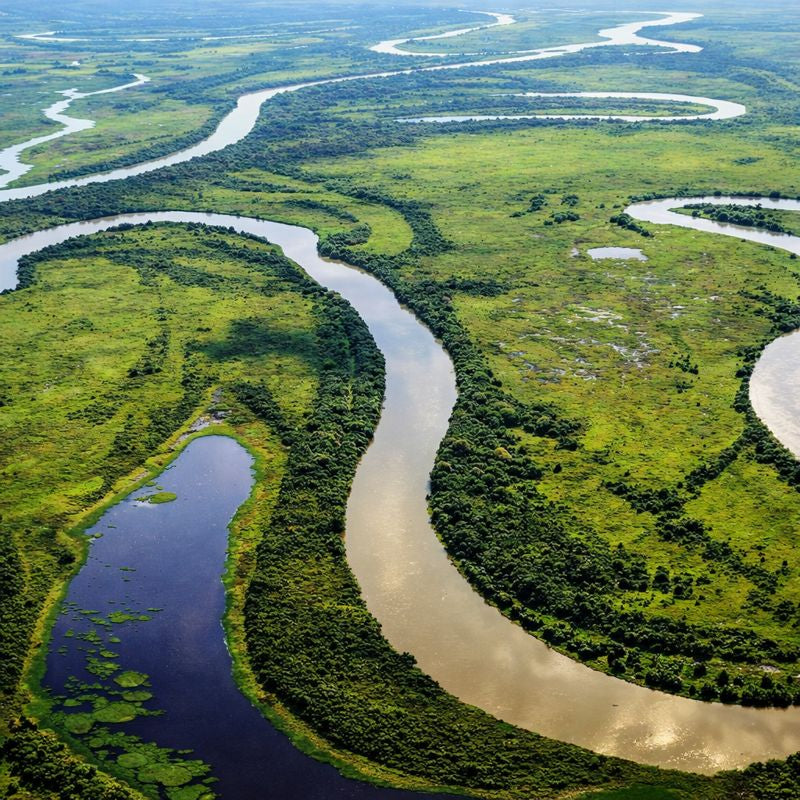
The Pantanal, the largest tropical wetland in the world, is an ecosystem of unparalleled ecological richness, but it is also home to nearly 1.5 million people who depend on it for their livelihoods. Covering more than 170,000 km², this complex landscape is crossed by a network of rivers and lakes that fill during the rainy season, creating a vital cycle for local communities. This natural cycle provides not only drinking water, but also resources for agriculture, fishing, and livestock farming, activities that are essential to life in the Pantanal.
The communities of the Pantanal, made up of farmers, fishers, and Indigenous populations, depend directly on the ecosystem services provided by this region. They practice traditional subsistence methods that respect the natural balance, such as extensive cattle ranching and artisanal fishing, allowing them to maintain a close connection with local biodiversity. However, these communities now face growing challenges, including deforestation, climate change, and reduced water resources, exacerbated by intensive agricultural practices outside the region.
Pressure from industrial agriculture, particularly soybean cultivation, has direct impacts on the Pantanal. The expansion of agriculture has not only degraded the land but has also disrupted the natural flood cycle that is crucial to maintaining the ecosystem. Local ranchers and fishers are observing a decline in water quality and a scarcity of resources, pushing them to adapt by seeking more sustainable production methods.
Initiatives such as the PantaNow project, launched by WWF, aim to protect the Pantanal and strengthen the role of local communities in conserving this ecosystem. In collaboration with local partners and governments, WWF seeks to promote sustainable agricultural practices and raise awareness of the importance of a healthy Pantanal. WWF’s approach, which includes land protection measures and the promotion of renewable energy, illustrates the importance of a collective effort to preserve this unique environment, both for the species that live there and for the human populations that depend on it.
The survival of the Pantanal and the well-being of local communities are inseparable. By integrating traditional knowledge and promoting sustainable practices, it is possible to restore the balance of this ecosystem while supporting the ways of life that depend on it. Cooperation among local stakeholders, NGOs, and governments will be essential to ensure that the Pantanal remains a natural treasure, both for biodiversity and for future generations. Thus, conserving the Pantanal is not only about biodiversity, but also about the quality of life of millions of people. The future of the Pantanal depends on our ability to harmonize human needs with those of nature.
Leave a comment
This site is protected by hCaptcha and the hCaptcha Privacy Policy and Terms of Service apply.